
Historic Charleston Home Secrets: What Experts Don't Want You to Know Before You Buy

Charleston is a city defined by its silhouette: a skyline of steeples, piazzas, and ironwork that has remained largely unchanged for centuries. For many, the dream of owning a piece of this history is the pinnacle of the Lowcountry lifestyle. However, behind the pastel facades and flickering copper lanterns lies a complex world of regulations, specialized maintenance, and financial nuances that can catch even the most seasoned investors off guard.
As a licensed real estate agent with the HRS® (Historic Real Estate Provider) designation, I have spent over a decade navigating the cobblestone streets of Downtown Charleston. To help you move forward with confidence, I am revealing the essential "secrets" that every buyer must understand before signing a contract on a historic property.
The most significant "secret" to buying a historic home isn't found in the attic or the crawlspace: it’s found at City Hall. The Board of Architectural Review (BAR) is the regulatory body tasked with preserving Charleston’s architectural integrity. If your home is south of Line Street or is a landmark property, the BAR has jurisdiction over nearly every exterior change visible from a public right-of-way.
Most buyers assume that only 18th-century mansions are protected. In reality, the BAR often reviews any structure that is 50 years or older. This means a mid-century addition to an 1830s home is also under their watchful eye. You cannot simply swap out drafty windows for vinyl ones or change the color of your shutters to a non-traditional hue without a Certificate of Appropriateness (COA).
Our team recommends that buyers always verify the BAR status of a property during the due diligence period. This prevents the "surprise" of having to reverse unapproved work performed by a previous owner: a cost that falls squarely on the new titleholder.

In a modern home, we prioritize sealing everything tight. In a historic Charleston home, that approach can be fatal to the structure. The "secret" to longevity in our humid climate is breathability.
Many historic homes in Charleston were built using soft, handmade bricks and lime-based mortar. A common mistake made by inexperienced contractors is "repointing" these walls with modern Portland cement. Because modern cement is harder than historic brick, it traps moisture and causes the bricks to "spall" or crumble from the inside out.
Charleston is home to the Formosan subterranean termite, a species far more aggressive than the standard native termite. Combined with our high water table and humidity, moisture management is a full-time job. We look for signs of "rising damp" and ensure that crawlspaces are properly ventilated or conditioned. Ignoring a slightly damp foundation today can lead to a six-figure structural repair tomorrow.
One of the most dangerous myths in the luxury market is that a standard homeowners policy is sufficient for a historic property. If a fire or hurricane damages your 19th-century home, a standard policy may only pay to replace your hand-carved mahogany moldings with off-the-shelf pine.
This is the single most important endorsement for a Charleston buyer. Because the BAR will likely require you to rebuild using historically accurate (and expensive) materials, you need coverage that accounts for these "ordinances."
We advise our clients to seek Guaranteed Replacement Cost policies. These ensure that if it costs 40% more than the appraised value to rebuild your home to BAR standards, the insurance company covers the difference. In the world of ultra-luxury real estate, "like kind and quality" must be more than a phrase: it must be a guarantee.

In a market as competitive as Charleston, how you negotiate is just as important as what you offer. As a RENE® (Real Estate Negotiation Expert) and CNE® (Certified Negotiation Expert), I look at a historic home through a different lens than a standard agent.
We don't just look for "issues"; we look for leverage. A historic inspection report is often 60 pages long. An expert negotiator knows which of those 60 pages represent a routine maintenance cost and which represent a major structural deficiency that can be used to credit the purchase price.
Choosing an agent with the HRS® designation means you are working with someone who understands preservation easements and the tax credits available for rehabilitating historic structures. These incentives can often offset the higher maintenance costs associated with these properties, turning a "money pit" into a savvy financial asset.
Buying a historic home in Charleston is about more than just real estate; it is about stewardship. It is a celebration of the traditions and craftsmanship that make our city the best in the world.
If you are ready to explore the exclusive neighborhoods of Downtown Charleston, Sullivan's Island, or Mount Pleasant, contact our team today. We provide the white-glove service and specialized expertise required to navigate the complexities of the luxury historic market.
Choose excellence. Choose a team that understands the secrets of the Holy City.
Jameson Cokas
Licensed Real Estate Agent & Team Leader
HRS®, RENE®, CNE®, SRS®

Navigating the Exciting Journey to Homeownership with Confidence.
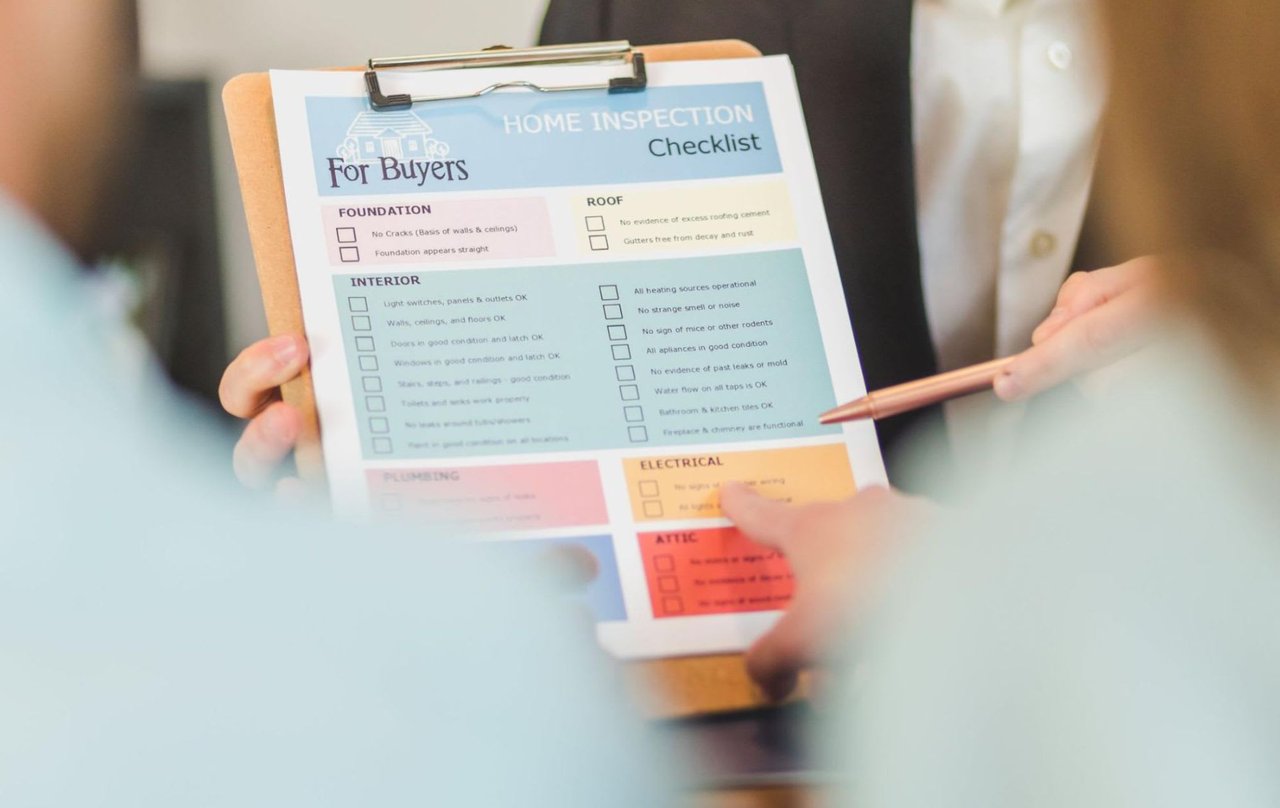
Don’t Miss Out on this Necessary Step.

Interest rates are one of many factors set to impact Charleston's luxury real estate market in 2024.

Exploring the Dynamic Real Estate Landscape in Mount Pleasant, SC.
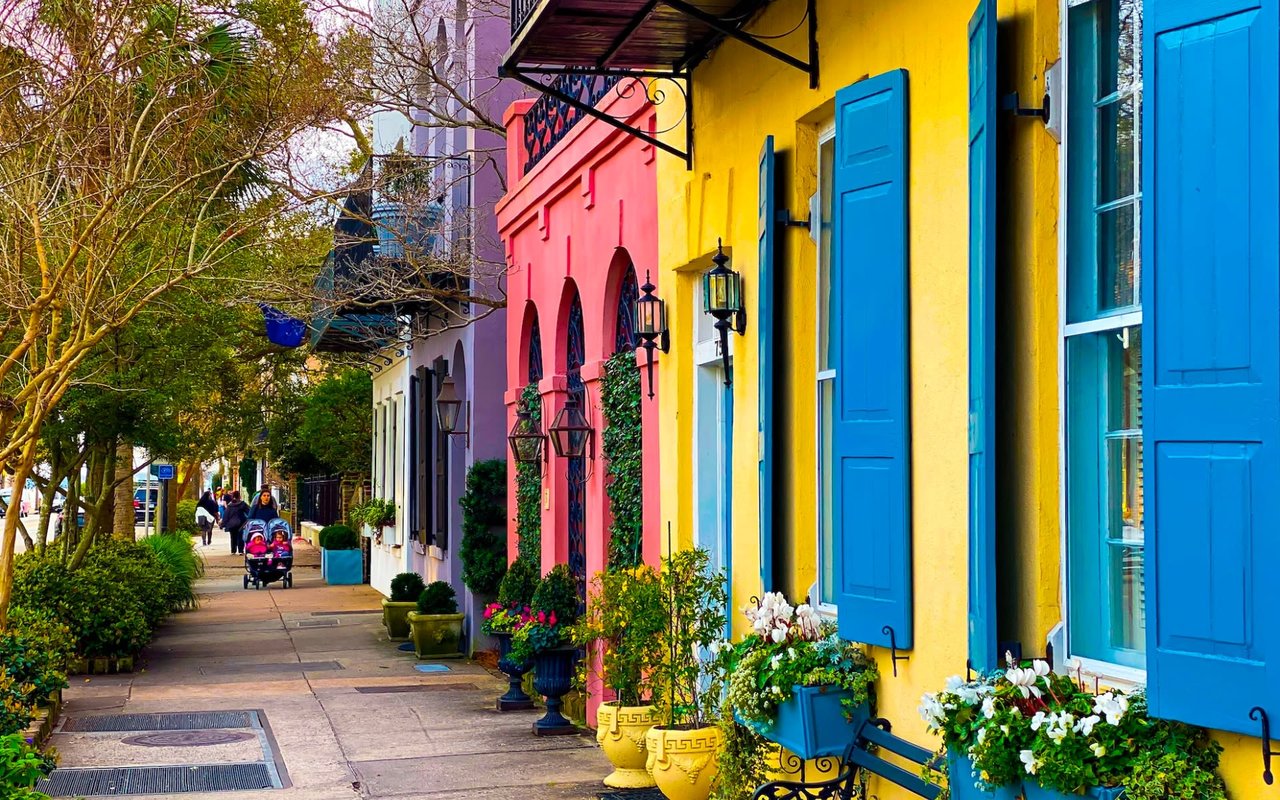
Navigate the Charleston Charm with Ease.

Discover All There is to Know About Buying a Home in Isle of Palms.

Experience the white-glove service you deserve! With a background in sports and entertainment real estate, he exceeds expectations, delivers quality advice, and ensures your best interests are always prioritized. Choose excellence for your real estate journey.