How to Sell a House in Charleston SC: Step-by-Step Guide + Timeline
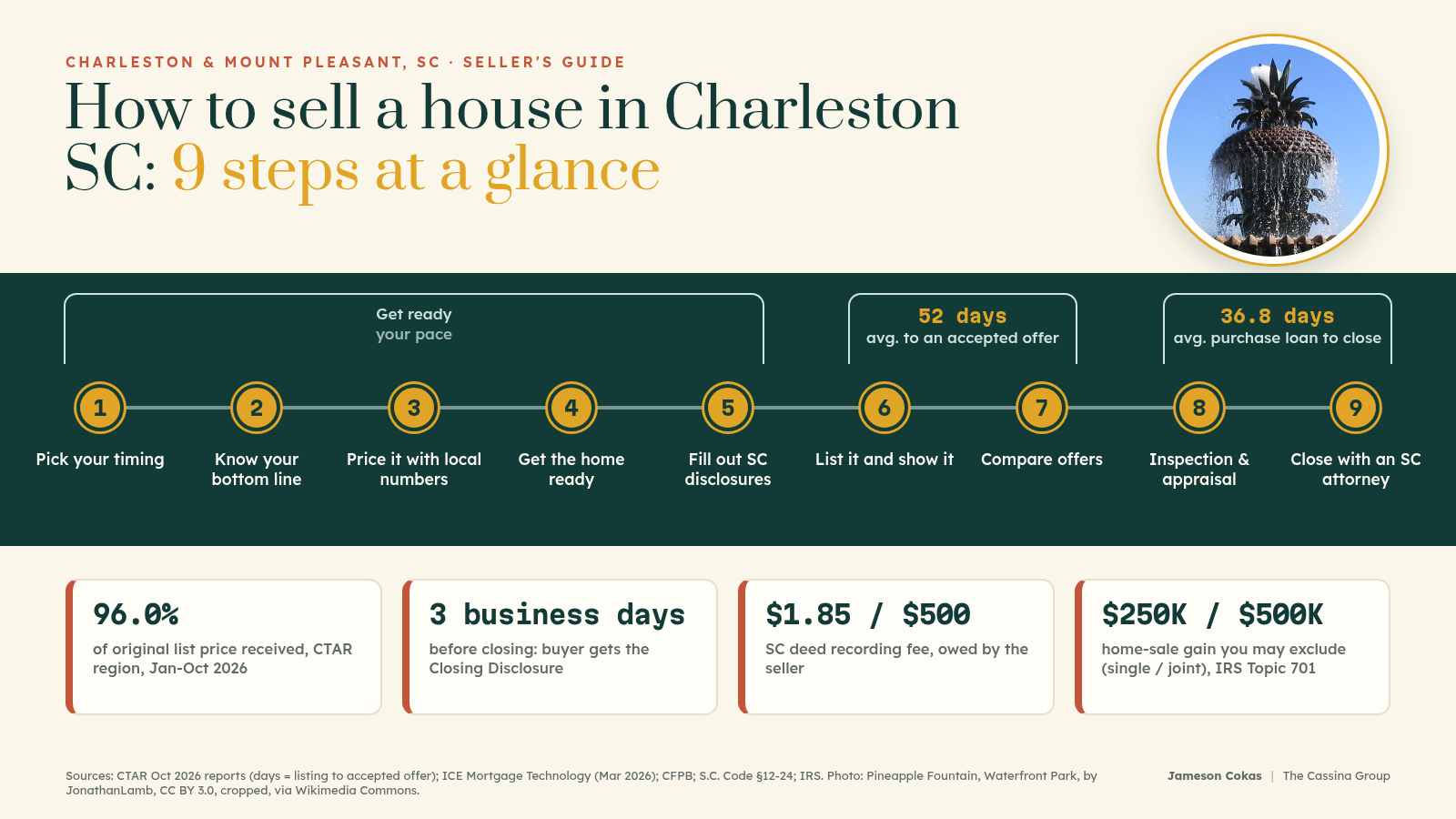
Selling a house in Charleston SC goes smoother when you know what comes next. Here are the nine steps, the South Carolina paperwork, how long each stage takes, and how homes like yours have been selling this year.
If you're wondering how to sell a house in Charleston SC, start with the order of things. Most surprises in a sale come from doing a step too late: pricing before you know your numbers, or filling out the disclosure form the week an offer shows up. Below is the process I walk my sellers through in Charleston, Mount Pleasant and the islands, with real local numbers and the state rules that apply.
Thinking about selling? I'll give you a free home value estimate and walk through your home with you to talk pricing and prep. Call (443) 864-2332 or email [email protected].
Plan on two clocks. The first runs from the day you list to the day you accept an offer. The second runs from contract to closing. Here's what the data says about each stage.
Stage | What happens | Typical time | Source |
|---|---|---|---|
1. Get ready | Pricing, repairs, cleaning, photos, disclosure form | Up to you; repairs set the pace | - |
2. On the market | Showings until you accept an offer | 52 days on average (Jan-Oct 2026); 53 days in October | CTAR, whole region, all property types |
3. Due diligence | Buyer's inspections, appraisal, repair talks | Set by your contract | Your purchase agreement |
4. Buyer's loan | Loan application to closing | 36.8 days on average for purchase loans (March 2026) | ICE Mortgage Technology |
5. Final numbers | Buyer's lender sends the Closing Disclosure | At least 3 business days before closing | Consumer Financial Protection Bureau |
6. Closing | Signing, payoff, deed recorded | Closing day, run by an SC attorney | South Carolina REALTORS® |
CTAR (the Charleston Trident Association of REALTORS®) counts days on market from listing to an accepted offer, not to closing. So the closing period comes on top of it. Cash buyers skip the loan step, which can shorten the second clock.
Start with your own deadline: a new job, a new build, a school year. Then look at the season. Spring brings the most buyers and the most competing listings. Winter is quieter on both sides. I broke down a full year of local data in the best time to sell a house in Charleston SC.
Before you pick a price, know what you'll walk away with. Ask your lender for a payoff amount. Then add up the costs of selling:
I go line by line through each of these in closing costs in SC: who pays what.
Price is the biggest decision you'll make. Price too high and the home sits. Price too low and you leave money behind. The right number comes from recent sales near you, the homes you'll compete with today, and what's different about yours: the lot, the updates, the flood zone and the HOA.
Here's how single-family homes have been selling this year, from CTAR's October 2026 reports:
Area (Jan-Oct 2026) | Median sale price | Avg. days to an accepted offer | % of original list price received |
|---|---|---|---|
Upper Mount Pleasant | $980,000 | 40 | 96.2% |
Lower Mount Pleasant | $1,300,000 | 39 | 95.0% |
West Ashley | $558,000 | 36 | 96.1% |
James Island | $715,000 | 34 | 95.8% |
Daniel Island | $2,150,000 | 31 | 95.9% |
Downtown Charleston | $2,350,000 | 56 | 92.8% |
Isle of Palms | $2,400,000 | 66 | 93.3% |
Sullivan's Island | $4,750,000 | 91 | 92.0% |
Whole CTAR region (all property types) | $435,000 | 52 | 96.0% |
Two things stand out. Sellers across the region got 96.0% of their original list price on average. On the islands and downtown, homes took longer and sold further below where they started. That's why the first price matters so much. "Original list price" means the first price, before any reductions, and CTAR's figures don't account for seller concessions.
Online estimates are a starting point, not a price. If you're in Mount Pleasant, my guide to Mount Pleasant SC home values shows how to check one against real sales.
Your listing photos are often a buyer's first look at your home. Treat them like your first showing.
Charleston buyers ask about flood zones, insurance and the age of big systems early. Having the answers ready keeps a deal moving.
Not sure what to fix and what to leave? I'll walk through your home with you, free, and give you a value estimate and a short prep list. Call (443) 864-2332 or email [email protected].
Under S.C. Code Title 27, Chapter 50, most sellers of a home with one to four units must give the buyer the state's Residential Property Condition Disclosure Statement. It's due before the contract is signed, unless the contract says otherwise. A few points to know:
Built before 1978? Federal law adds a lead-based paint disclosure. Per the EPA, you give the buyer the "Protect Your Family From Lead in Your Home" pamphlet, share any known lead paint information and reports, include a Lead Warning Statement, and give the buyer a 10-day window for a lead inspection. You can both agree in writing to change that window, or the buyer can waive it.
Your home goes into the MLS with photos, a clear description and the right price. Then come showings and open houses. Keep the home show-ready, and say yes to as many showing requests as you can, especially in the first couple of weeks.
Read every offer for its terms:
You can accept, counter or decline. The highest price isn't always the best offer if it comes with a long due diligence period or shaky financing.
Once you're under contract, the buyer will usually inspect the home and, with a loan, order an appraisal. Expect a repair request. You can make repairs, offer a credit, adjust the price, or say no. If the appraisal comes in low, the price may need another conversation.
South Carolina is an attorney-closing state. Per South Carolina REALTORS®, an attorney must supervise residential closings, and non-lawyers can't close them. Under SC Supreme Court rulings, the title search, closing documents, the closing itself, recording the deed and paying out the money, including your mortgage payoff, are all done or supervised by an attorney. Ask early who the attorney represents and how you'll receive your proceeds.
Selling from out of state? South Carolina law generally requires the buyer to withhold part of the payment from a nonresident seller for state income tax. An affidavit can change the amount, so bring it up with the closing attorney early.
If the home was your main home, you may be able to exclude up to $250,000 of gain from your income, or up to $500,000 on a joint return. According to IRS Topic 701, you generally need to have owned and lived in the home for at least two of the five years before the sale. Gain above the exclusion is taxable, and if you get a Form 1099-S at closing, you report the sale even if the gain is excluded. Talk to your tax advisor before you list, not after.
The steps are the same. The numbers aren't. Single-family homes in Upper and Lower Mount Pleasant went under contract faster this year (40 and 39 days on average) than the 52-day average for the whole region across all property types. Lower Mount Pleasant sellers got 95.0% of their original list price, compared with 96.2% in Upper Mount Pleasant. If your home is in a flood zone, expect buyers to ask about insurance early. If it's in an HOA, have the association documents ready for the disclosure addendum.
Yes, for the closing. South Carolina is an attorney-closing state, so a licensed attorney must supervise it. The closing attorney may represent the buyer or lender, so ask who they represent. You can also hire your own attorney to review the contract.
Across the CTAR region, homes averaged 52 days from listing to an accepted offer from January through October 2026. The buyer's loan then adds time; ICE reported 36.8 days on average for purchase loans in March 2026.
Yes, if the sale is covered by the disclosure law. The state form asks about flood zones, flood risk and current flood insurance, plus flood claims, flood repairs and federal disaster assistance during your ownership. Answer it fully and honestly.
Maybe not. If you meet the IRS ownership and use tests, you can exclude up to $250,000 of gain, or $500,000 on a joint return. Check with your tax advisor.
Selling a home is a lot of small decisions in the right order. I'm happy to help you make them. I'll give you a free home value estimate, walk through your home with you, and put together a pricing and prep plan for Charleston, Mount Pleasant or the islands. Call (443) 864-2332 or email [email protected].
Talk soon,
Jameson
This post is general information, not legal or tax advice. Market data: CTAR Monthly Indicators and Local Market Updates, October 2026 (current as of November 9, 2026). Past results don't guarantee future ones.
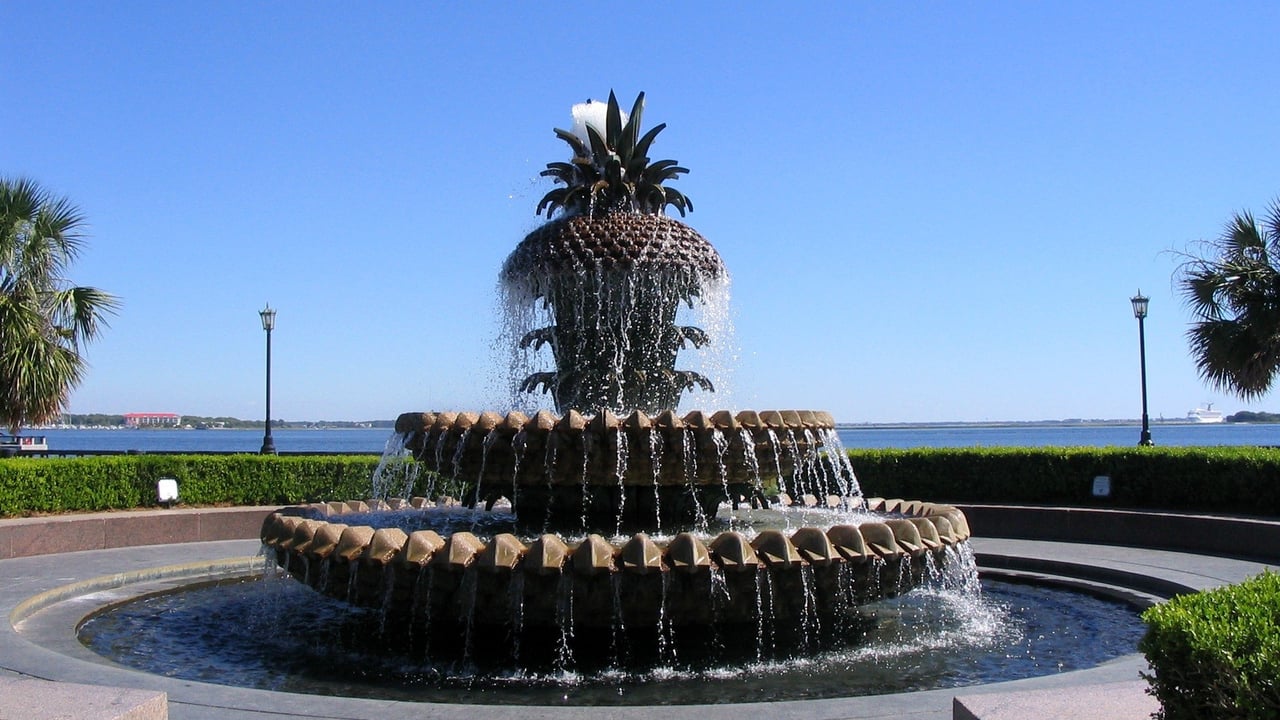
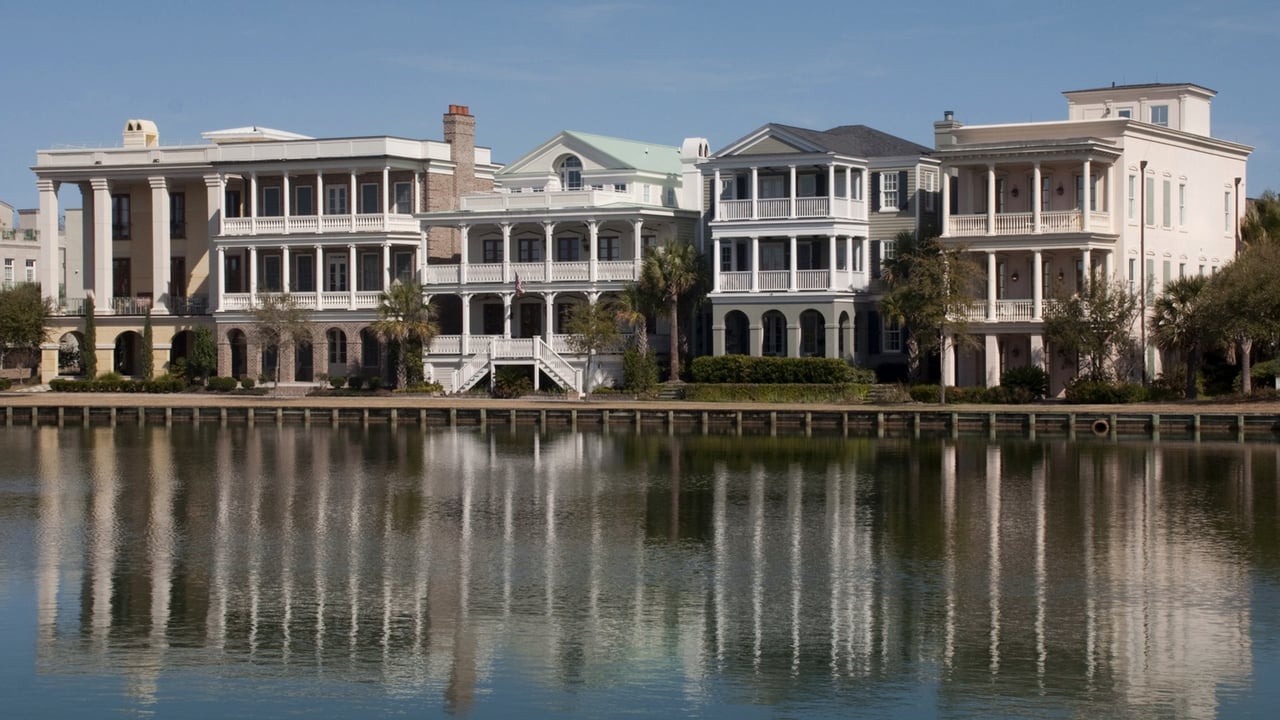
Banner photo: "Charleston-SC-pineapple-fountain" by JonathanLamb, CC BY 3.0, cropped, via Wikimedia Commons.
How to sell a house in Charleston SC: 9 steps, SC disclosure and attorney-closing rules, a timeline, and 2026 local sales data. Free home value estimate.
Market Update
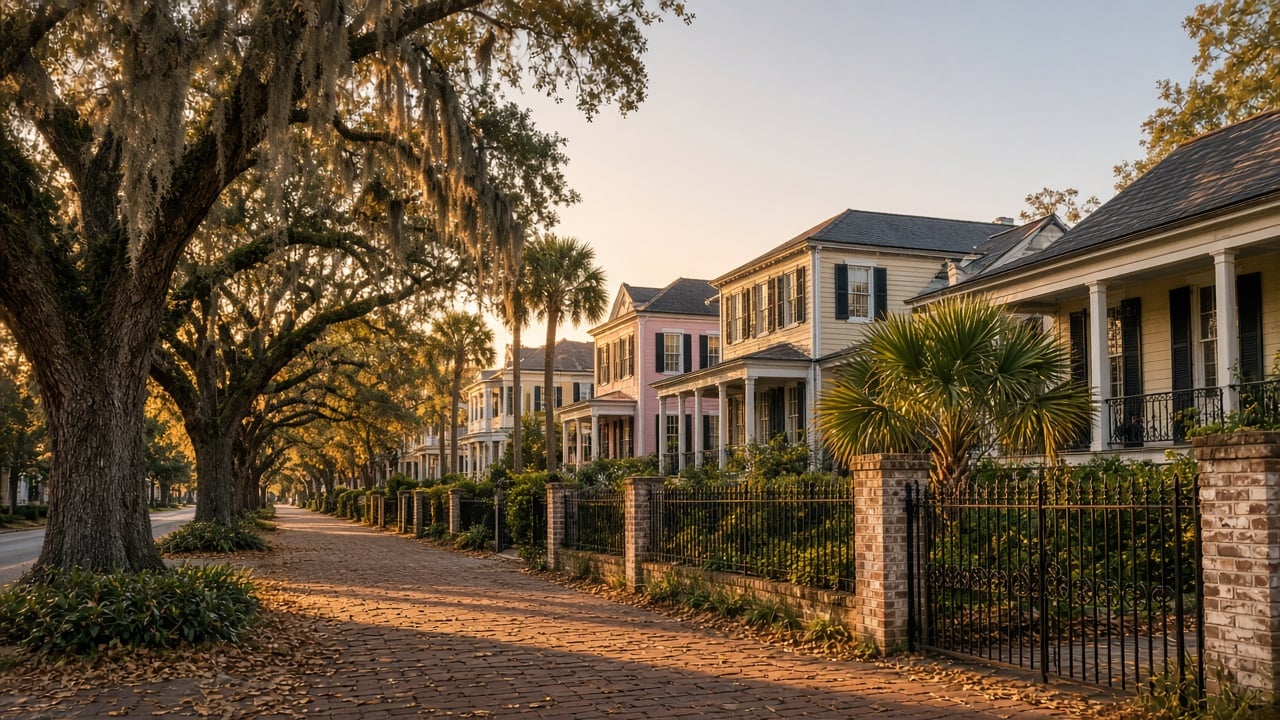
October 2026 home sales for Mt. Pleasant, Downtown Charleston, Isle of Palms, Sullivan's Island and West Ashley: where homes sold faster, where prices moved, and what … Read more
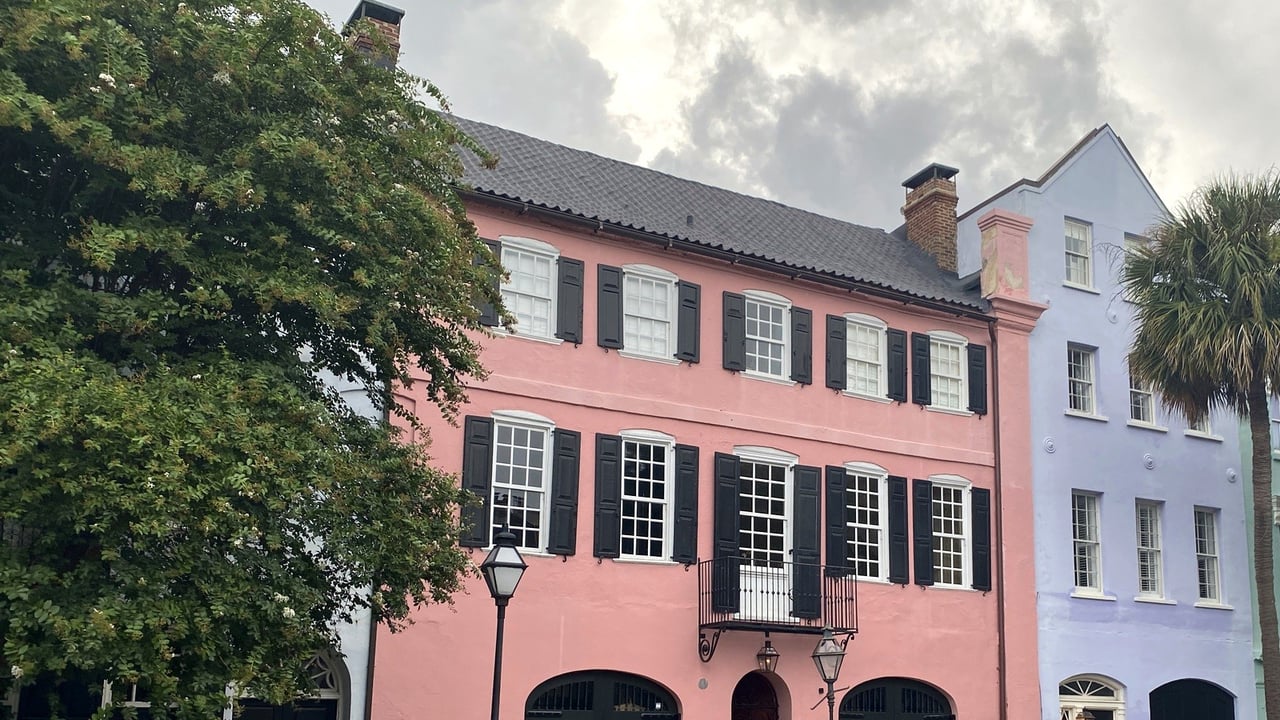
The Charleston County 4% legal residence rate can lower the property tax on the home you live in. But it isn't automatic. Here's who qualifies, what to send, and when … Read more
Market Update
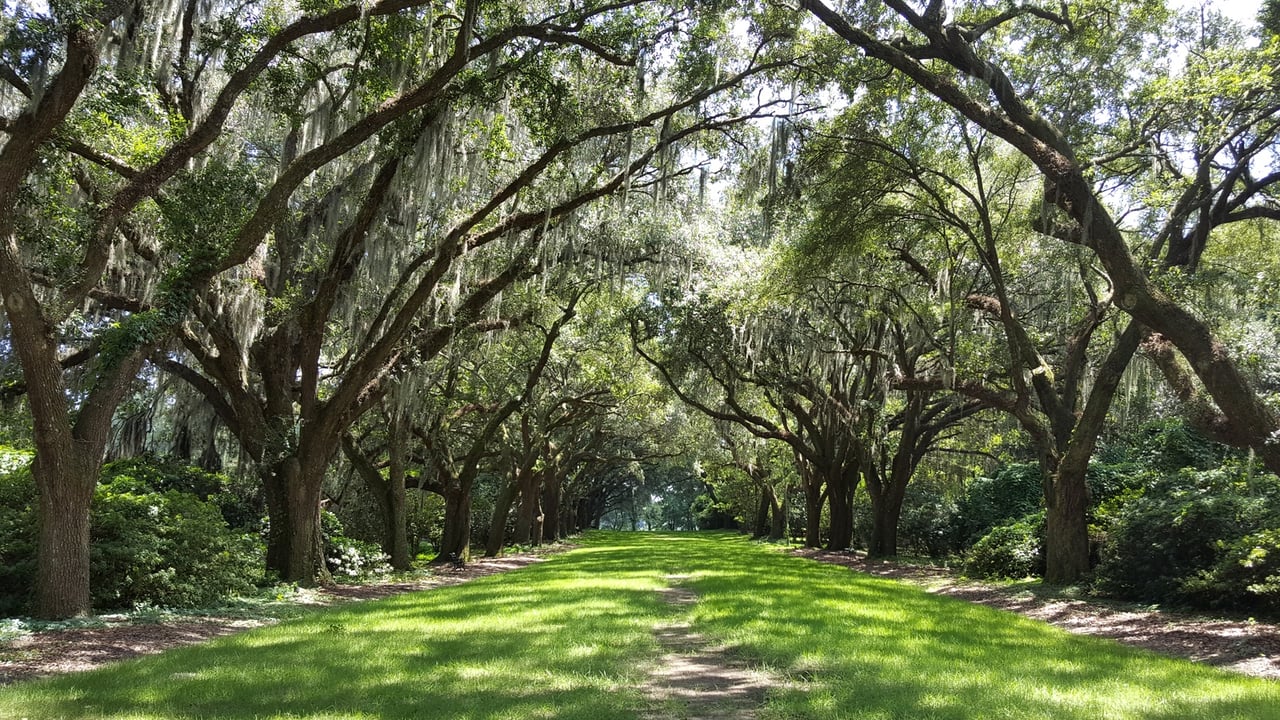
Thinking about living in West Ashley SC? 2026 home prices vs. James Island and Mt. Pleasant, neighborhoods, flooding and things to do.
Market Update
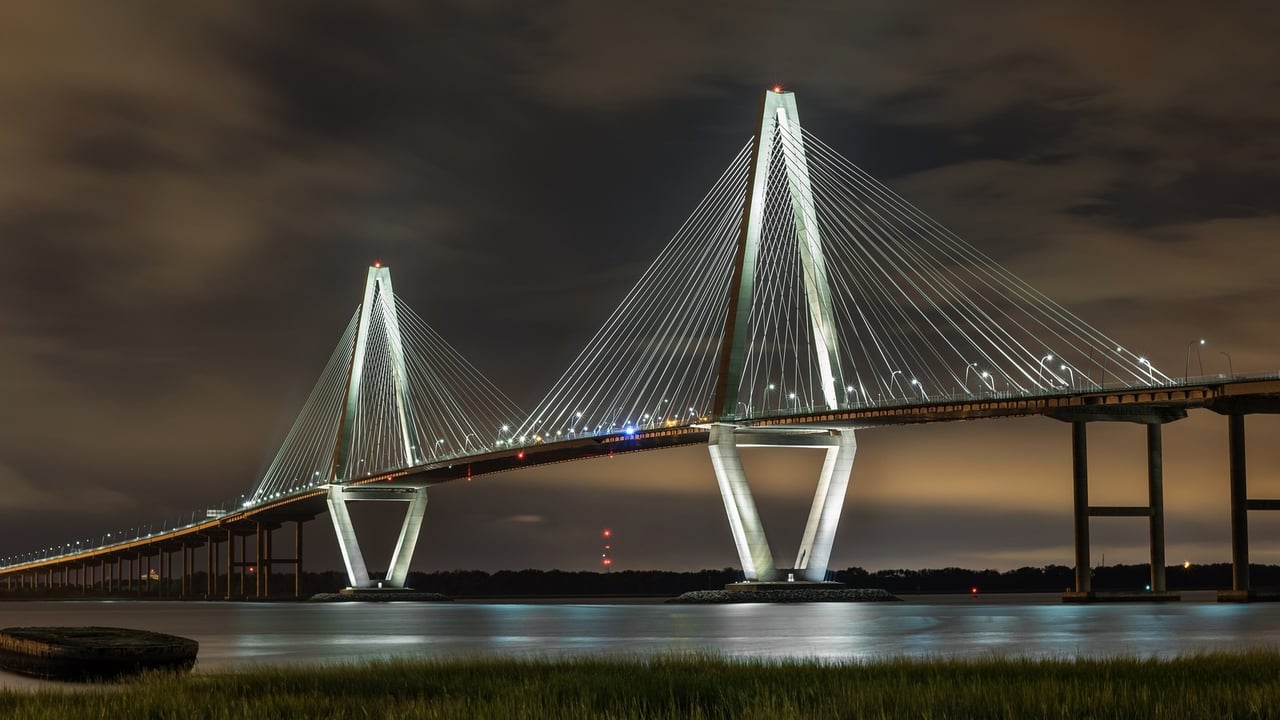
October 2026 CTAR numbers for Upper and Lower Mount Pleasant, what moves a home's price, and how a real pricing analysis works.
Market Update
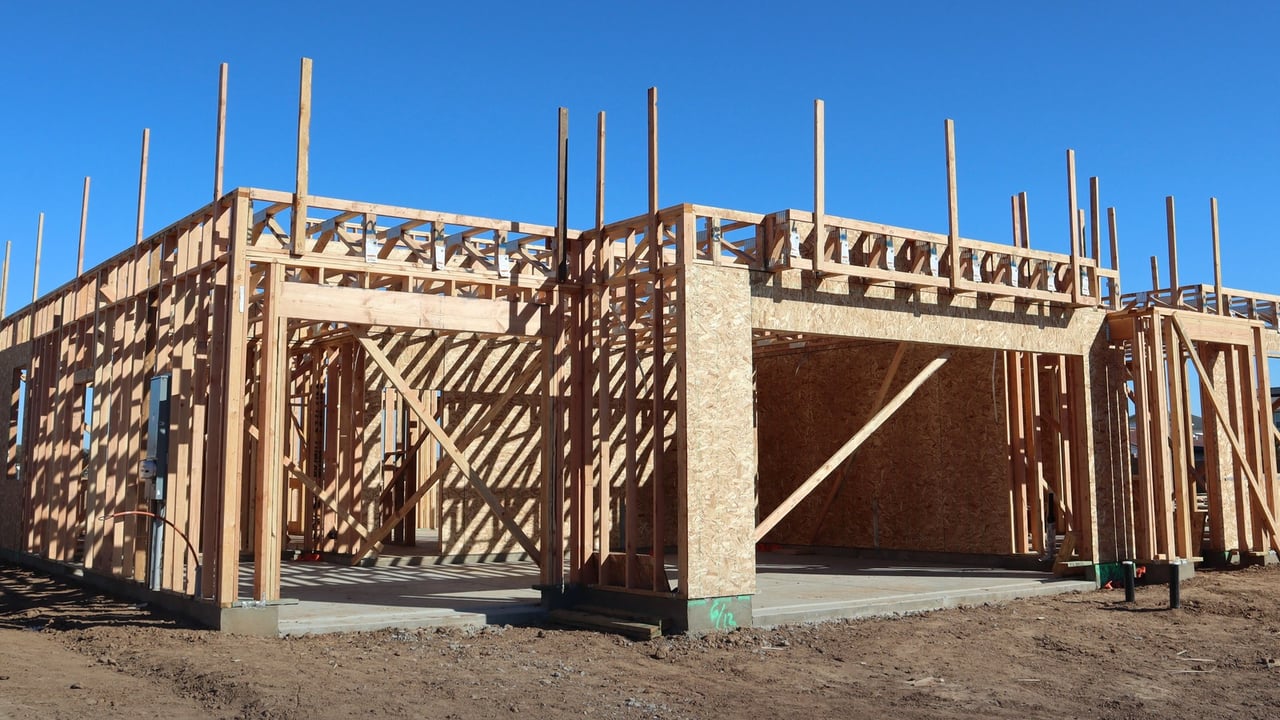
New construction homes in Charleston SC: where builders are busiest, Mount Pleasant's permit cap, builder contracts, new-home taxes and SC defect law.
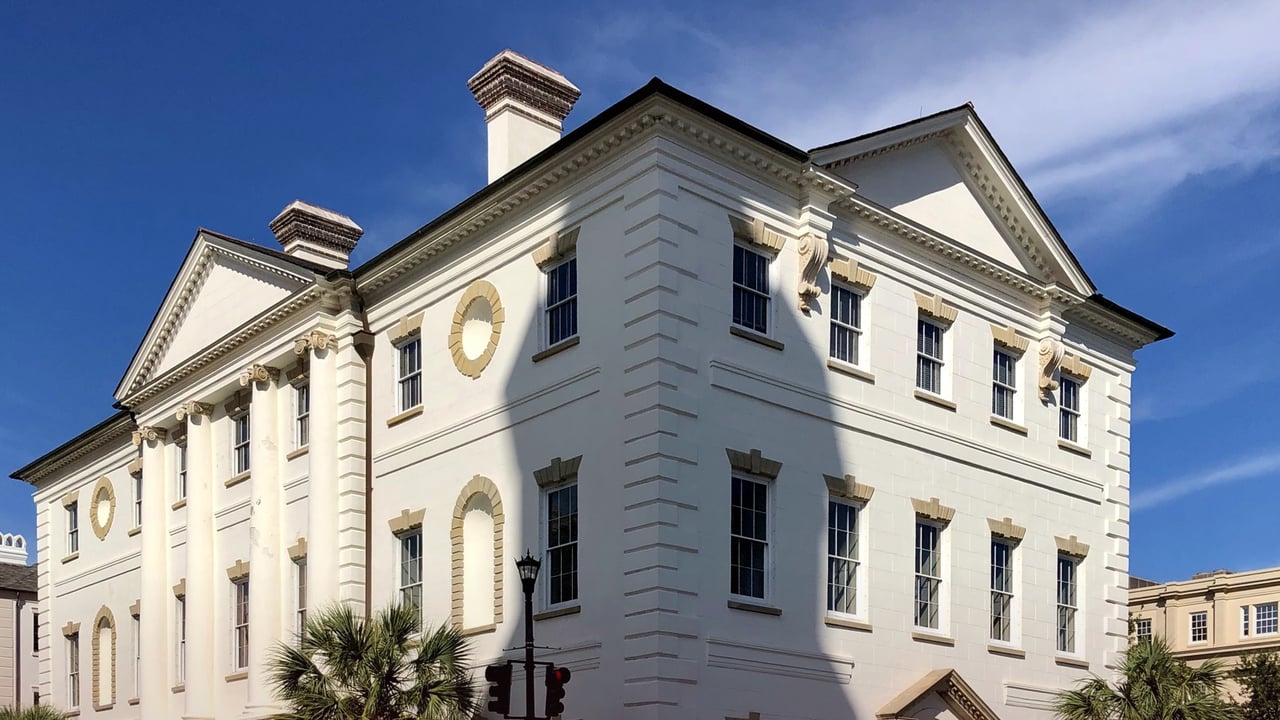
A plain-English guide for buyers and sellers: the deed recording fee, attorney closings, tax prorations and the costs on your Closing Disclosure.
Market Update
2026 home prices, days on market, commutes and county lines for 11 areas around Charleston, side by side.

Three local governments, a big county park, flood zones that vary by street, and what homes sold for this fall.

Experience the white-glove service you deserve! With a background in sports and entertainment real estate, he exceeds expectations, delivers quality advice, and ensures your best interests are always prioritized. Choose excellence for your real estate journey.